
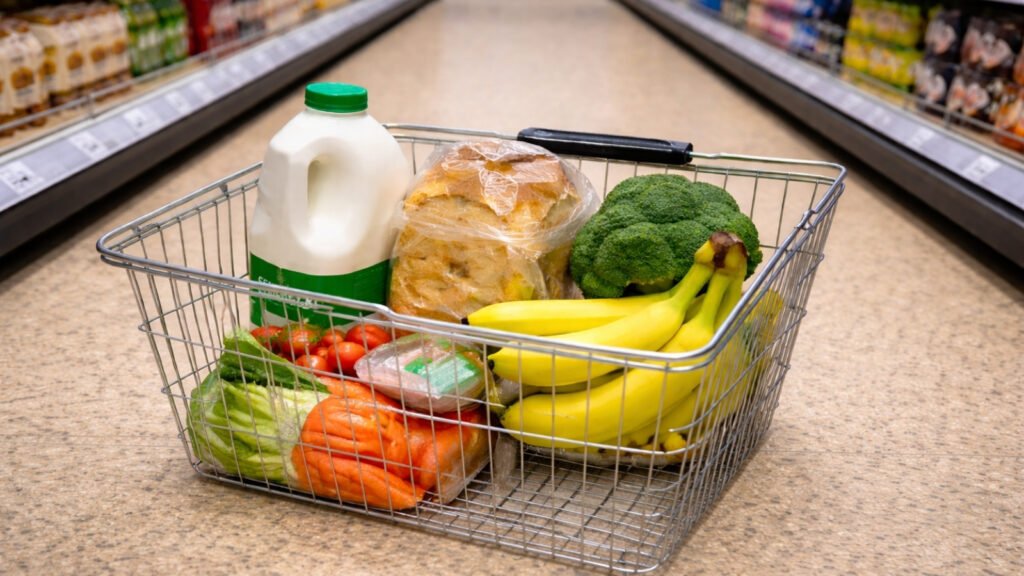
If you live alone and your grocery bill feels higher than it should, you’re not imagining it.
Many solo households in the UK spend more than expected — even when they aren’t buying luxury foods or eating out frequently.
Cooking for one might seem easy.
But in reality, it can get surprisingly costly.
The good news? A high grocery bill when living alone usually comes down to a few predictable patterns — and most of them are fixable.
1. You’re Shopping Like a Family Household
UK supermarkets tend to focus on:
- Multi-buy offers
- Large pack sizes
- “3 for £5” promotions
- Family-sized fresh produce
When you live alone, those offers don’t always save money.
Buying larger quantities often leads to:
- Food waste
- Freezer overload
- Forgotten leftovers
Spending more doesn’t always mean better meals; it often just means buying too much.
If you’re unsure what to actually put on your list, see what groceries you should buy each week.
If you’re unsure what’s realistic, start by reviewing how much one person should spend on food in the UK to see typical weekly ranges.
2. Too Many Top-Up Shops
One of the biggest budget leaks for people living alone is the midweek top-up shop.
You go in for:
- Milk
- Bread
- Something small
You leave with:
- Snacks
- Extras
- “Easy” convenience items
These small, unplanned trips can add up fast.
Just an extra £8 to £12 twice a week can raise your monthly grocery bill by £60 to £100 without you noticing.
A structured weekly plan — like the one in the meal planning for one person in the UK guide — significantly reduces these impulse trips.
3. You’re Planning too Much Variety
When you cook for one, variety can become expensive.
Planning seven completely different dinners means buying:
- More ingredients
- More fresh produce
- More single-use items
And that often leads to half-used vegetables and wasted food.
Repeating meals isn’t boring; it’s smart.
Budget plans like the £25 meal plan for one person (UK) rely on intentional repetition for exactly this reason.
4. Fresh Food Is Going Bad Before You Use It
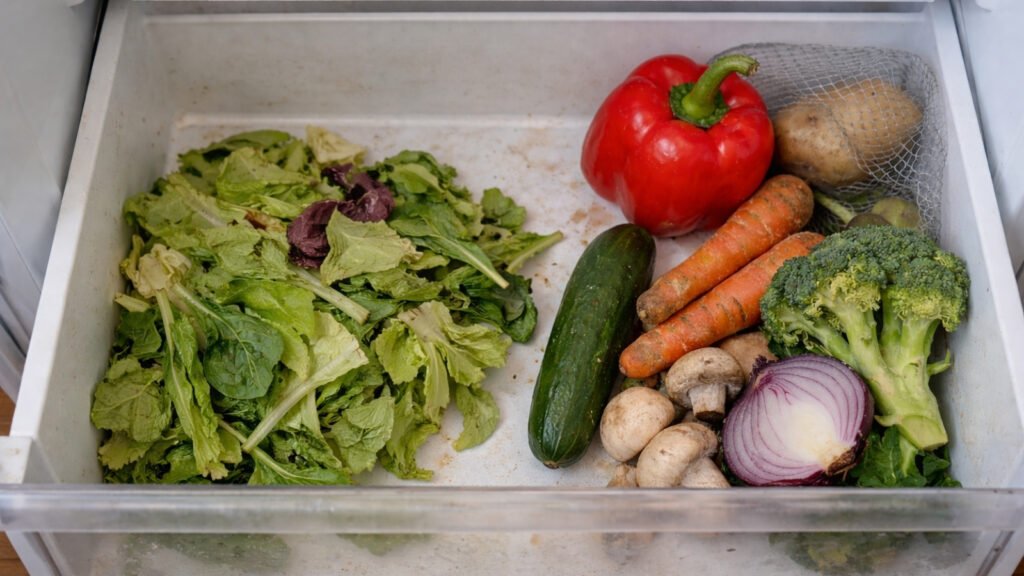
Living alone makes it harder to manage fresh food.
Common waste items include:
- Salad bags
- Fresh herbs
- Large vegetable packs
- Soft fruit
You might be wasting £5 to £10 worth of food every week without realizing it.
Frozen vegetables, longer-life staples, and planned leftover days reduce this significantly.
If shopping itself feels overwhelming, a calmer approach to grocery shopping for one person can help stabilise spending.
Food waste is one of the biggest reasons grocery bills increase when living alone. Learning how to meal plan for one without wasting food can significantly reduce unnecessary spending.
Food waste is one of the biggest reasons grocery costs increase (see how to stop wasting food when you live alone).
5. Convenience Foods Fill The Gaps
When energy dips, convenience steps in.
Ready meals, takeaway, or “easy” add-ons can quietly increase weekly costs.
This isn’t about willpower; it’s about planning for days when your energy is low.
Even building one freezer meal into your week reduces emergency spending.
6. You Haven’t Set a Clear Weekly Budget
Many people living alone don’t choose a fixed weekly amount.
Without a set number, your spending can easily drift.
Instead of asking:
“What fits my budget?”
You end up asking:
“What do I feel like buying?”
Choosing a budget—whether £25, £30, or £40—gives you a clear limit.
The difference between the £25 meal plan for one person (UK) and the £30 meal plan for one person (UK) isn’t just money — it’s flexibility.
A Quick Self-Check
If your grocery bill feels high, ask:
- Am I doing more than one shop per week?
- Am I throwing away fresh produce?
- Am I buying too much variety?
- Am I planning for leftovers?
- Do I know my weekly budget number?
Most overspending comes from structural issues, not food quality.
If you often feel like you’re buying more food than you actually use, this guide on “why you keep buying too much food when you live alone” explains the common patterns behind it.
How to Get Your Grocery Bill Back Under Control
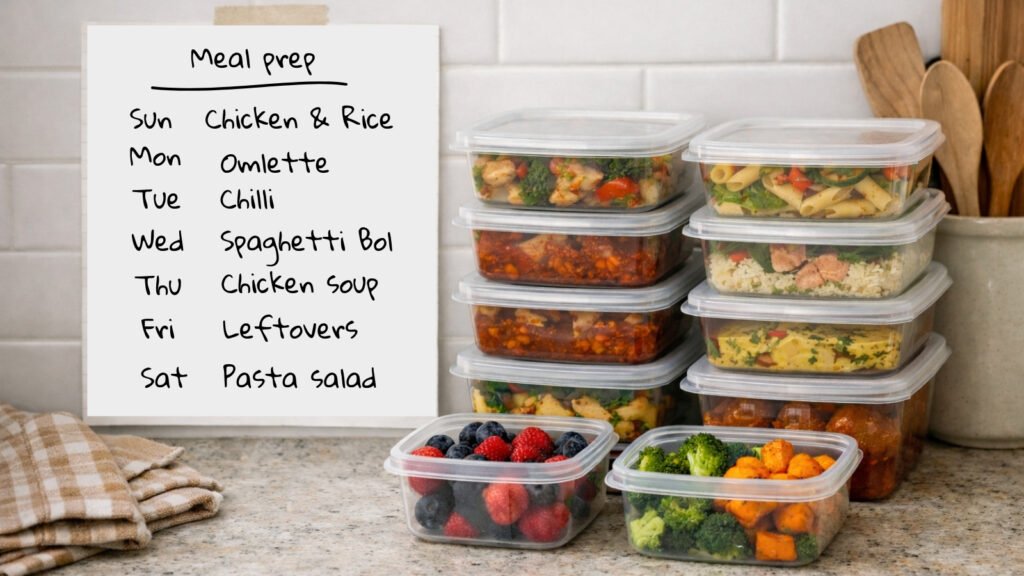
You don’t have to budget extremely.
You need:
- A clear weekly budget
- 3–5 core meals
- Repeated ingredients
- One planned leftover day.
- One freezer meal
Small changes to your routine can often lower your grocery bills within two to three weeks.
If you want a reset approach, start with the £25 meal plan for one person (UK).
If you prefer something more sustainable in the long term, the £30 meal plan for one person (UK) offers more flexibility while keeping spending stable.
Many people are surprised by how much grocery costs can vary depending on shopping habits and meal planning. Some households spend much more than necessary simply because meals are not planned in advance. Learning to cook simple meals can significantly reduce spending. For example, it is possible to eat well on £5 a day in the UK when meals are built around inexpensive staple foods.
Final Thoughts
If you’re wondering why your grocery bill is so high when you live alone, it usually doesn’t mean you’re careless.
It’s more about the fact that supermarkets aren’t set up for one-person households.
Once you stop shopping like a family and start planning for just yourself, managing costs gets easier.
Having a plan lowers stress.
Repeating meals cuts down on waste.
Clear budgets help keep spending steady.
That’s when your grocery bills start to feel more predictable.