
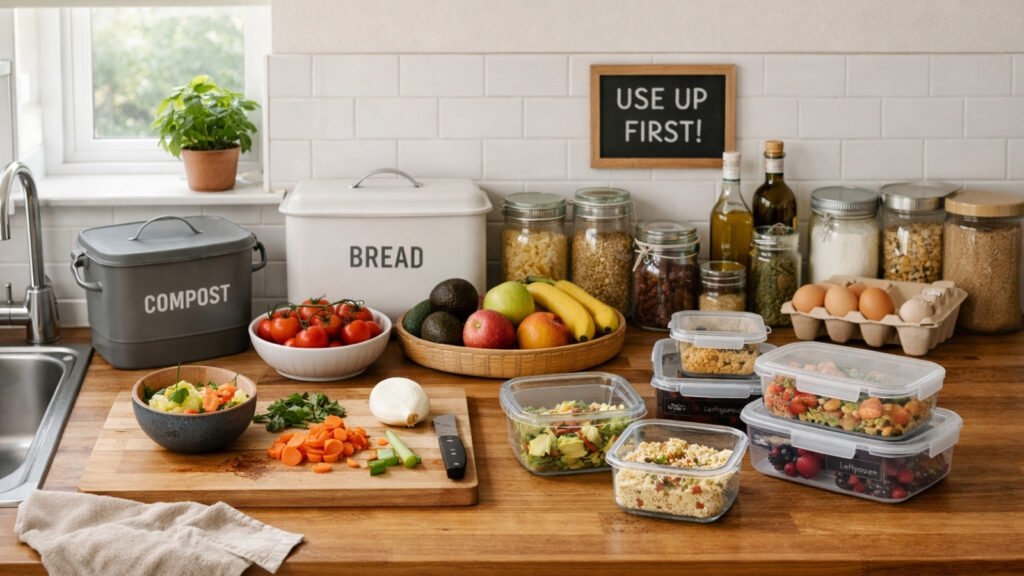
If you’re trying to stop wasting food when living alone, you’re not alone — it’s one of the most common challenges in single-person households.
You buy ingredients with good intentions, but a few days later, something gets forgotten at the back of the fridge. Leftovers go uneaten, and fresh food spoils before you have a chance to use it.
Over time, this doesn’t just feel wasteful — it also increases your grocery bill without you always noticing.
The good news is that food waste when living alone is usually caused by a few simple habits. Once you understand them, it becomes much easier to reduce waste without changing everything you eat.
Why Food Waste Happens When You Live Alone
Food waste isn’t usually about being careless — it’s often the result of how food is sold and how meals are planned.
Common reasons include:
- Buying more than you need
- Cooking too many portions
- Not planning how to use leftovers.
- Forgetting what’s already in your fridge
- Shopping without a clear plan
These patterns are very common in single-person households.
If food waste is a regular issue, it often starts with buying too much — see “why you keep buying too much food when you live alone“.
The Real Cost of Food Waste
Food waste adds up quickly.
Throwing away just a few items each week can mean:
- £10–£20 lost per week
- £40–£80 per month
- Hundreds of pounds per year
Reducing waste isn’t about being perfect — it’s about making small changes that add up over time.
If your grocery bill feels higher than expected, you may also find it helpful to cut your grocery bill when living alone.
The Simple System That Prevents Food Waste
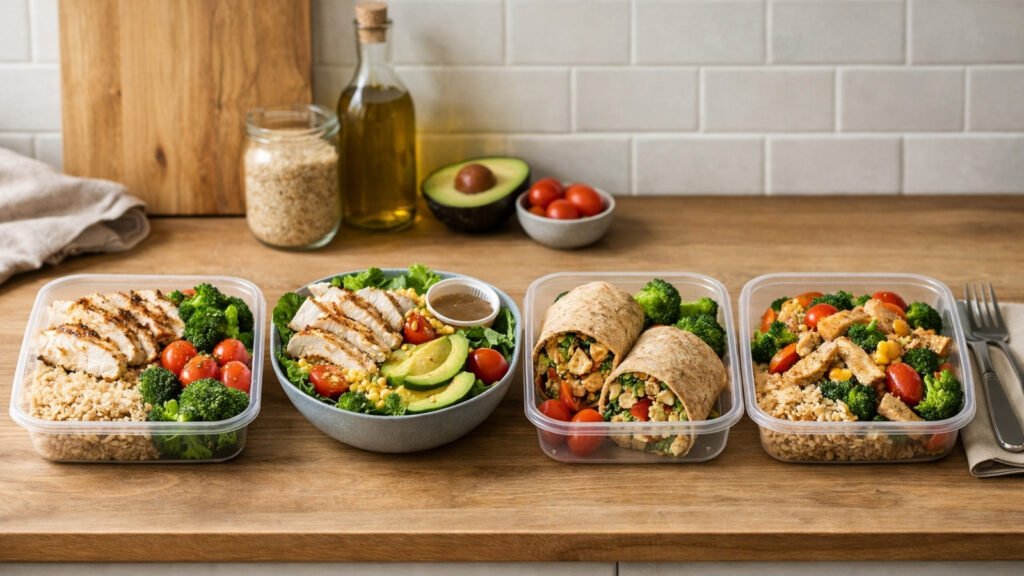
The easiest way to stop food waste is to adopt a few simple habits consistently.
Plan Fewer Meals
You don’t need a different meal every day.
Cooking 3–4 meals per week and repeating them reduces waste and makes planning easier.
Repeat Ingredients Across Meals
Instead of buying ingredients for one recipe, use them in multiple meals.
For example:
- Chicken in a stir fry, pasta, and wraps
- Vegetables are used across several dishes.
This ensures you use what you buy.
Use Leftovers Intentionally
Instead of treating leftovers as an afterthought, plan for them.
Cook once → eat twice.
This saves time and helps prevent waste.
If you’re unsure what to do with leftover ingredients, this guide on what to cook when you have nothing in the house can help.
Freeze Portions Early
If you know you won’t eat something within a couple of days, freeze it.
This is one of the most effective ways to prevent waste when cooking for one.
If you’re not sure how to do this properly, see how to freeze meals for one person.
Keep Meals Simple
Simple meals are easy to reuse and store, helping reduce waste.
Complicated recipes often create more leftover ingredients that go unused.
Cooking simple meals in one pan can also help reduce food waste (see the best frying pan for one person).
Storage Makes a Bigger Difference Than You Think
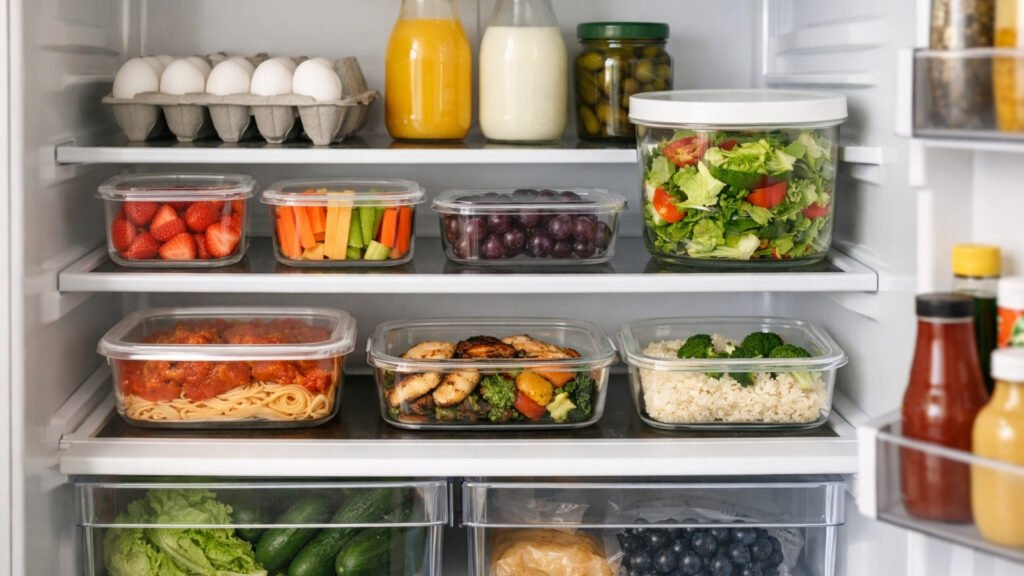
Even with a plan, food can be wasted if not stored well.
Small habits make a big difference:
- Keep food visible in your fridge.
- Store leftovers in clear containers.
- Use airtight storage where possible.
- Keep a “use first” area for older items.
If you want a full system, see how to store food when you live alone.
Using the right containers can also make this much easier. You can browse practical options on Amazon UK if you’re setting things up.
Shop With a Simple Plan

Many people waste food before they even start cooking.
Shopping without a plan often leads to:
- Buying too much
- Forgetting what you already have
- Picking up items that don’t get used
A better approach:
- Check your fridge before shopping.
- Plan meals around what you already have.
- Buy only what you need for a few meals.
If you want a simple starting point, this cheap grocery list for one person can help.
Build a Small Backup System
One of the easiest ways to reduce waste is to have fallback options.
For example:
- Keep 1–2 freezer meals available.
- Have a few easy meals ready.
- Include a couple of no-cook options.
This prevents food from going to waste when you don’t feel like cooking.
If you need ideas, see no-cook meals for one person or easy meals for low-energy days.
A Simple Weekly Routine
Food waste often disappears when you follow a simple routine.
For example:
- Plan 3–4 meals
- Shop once
- Cook once or twice
- Freeze 1–2 portions
- Use leftovers intentionally
This creates a system that works without needing constant decisions.
If you want a full breakdown, see meal planning for one person in the UK.
You Don’t Need to Be Perfect
Some food waste will still happen.
That’s normal.
The goal is not to eliminate waste completely — it’s to reduce it enough that your food lasts longer, your meals feel easier, and your grocery bill becomes more predictable.
Final Thoughts
Wasting food when you live alone is a common problem, but it’s also one of the easiest to improve.
By planning fewer meals, reusing ingredients, freezing portions, and keeping things simple, you can reduce waste without making cooking more complicated.
Over time, these small habits build a system that makes solo cooking easier, more affordable, and far less frustrating.