
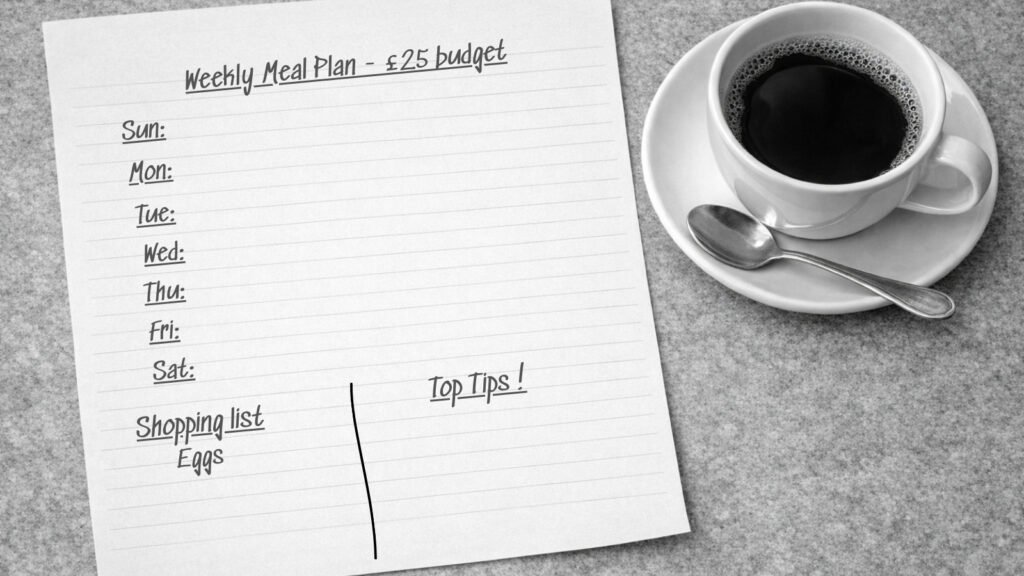
A £25 meal plan for one person in the UK is achievable — but it requires structure, repetition, and careful shopping.
£25 per week works out at around £3.50 per day.
If you’re not sure how £25 compares, check out typical food spending for one person in the UK.
For many people, £25 is a reset budget — useful for reducing spending quickly or regaining control after costs creep up.
If you need to reduce your budget even further, this £20 meal plan for one person shows how to keep costs as low as possible.
It’s not about eating perfectly — it’s about getting things back under control.
Who Is a £25 Weekly Food Budget For?
A £25 meal plan for one person in the UK isn’t designed for comfort — it’s designed for control.
This budget suits:
- Students
- Anyone paying off debt.
- People cutting back on spending after a high grocery bill.
- Those who currently spend £50+ per week and want to reset
If you’re looking for more flexibility and variety, the £30 meal plan for one person in the UK is often more sustainable long term.
Is £25 a Week Enough for One Person in the UK?
Yes, but it offers less flexibility than a £30 budget.
At £25 per week:
- Main meals need to cost between 80p and £1.20 on average.
- Batch cooking becomes essential.
- Fresh food variety is limited.
- Frozen vegetables are your friend.
If £25 feels too tight long term, the £30 meal plan for one person provides more breathing room.
The £25 Strategy: Use fewer ingredients and repeat meals more often
The main difference between £25 and £30 budgets is how many ingredients you can use.
This plan focuses on:
- 2 core proteins
- 2 carbohydrate bases
- 1–2 vegetable staples
- Minimal extras
Repeating meals is what helps keep this budget on track.
Example £25 Shopping List (UK)
Prices based on typical budget supermarkets such as Aldi and Lidl.
Protein
- 12 eggs
- 500g red lentils
- 2 tins of baked beans
- 1 small pack of chicken thighs
Carbohydrates
- 1kg rice
- 2kg potatoes
- 1 loaf of bread
Vegetables
- 1kg frozen mixed veg
- Onions
- Carrots
- 2 tins chopped tomatoes
Basics
- Milk
- Bananas
That’s all there is.
- No sausages
- No yoghurt bowls
- No couscous
It’s tight, practical, and keeps waste to a minimum.
7-Day £25 Meal Plan
This plan is designed to reuse ingredients a lot.
Breakfast
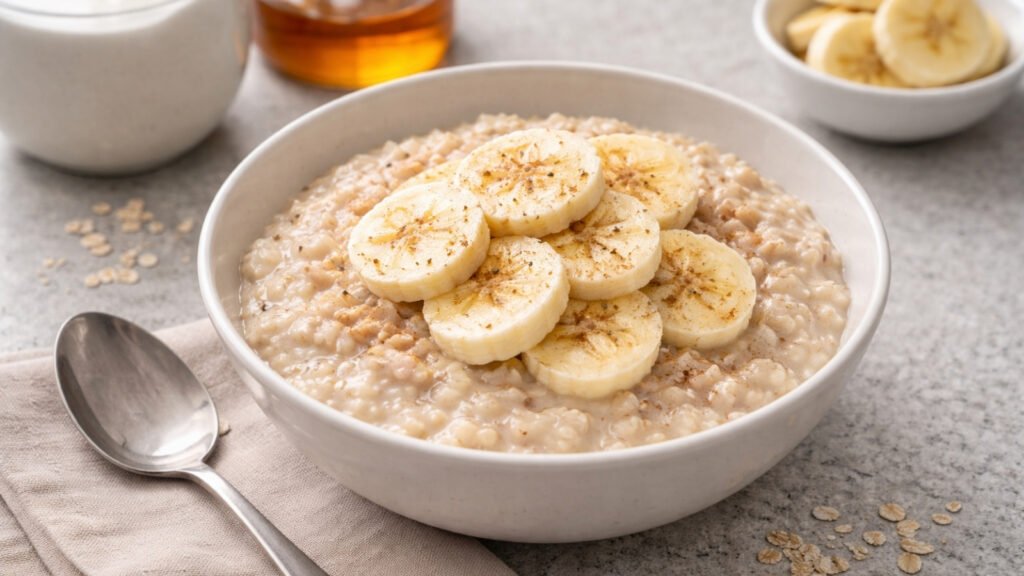
- Porridge with banana (5 days)
- Eggs on toast (2 days)
Oats are among the cheapest sources of calories in the UK.
Lunch
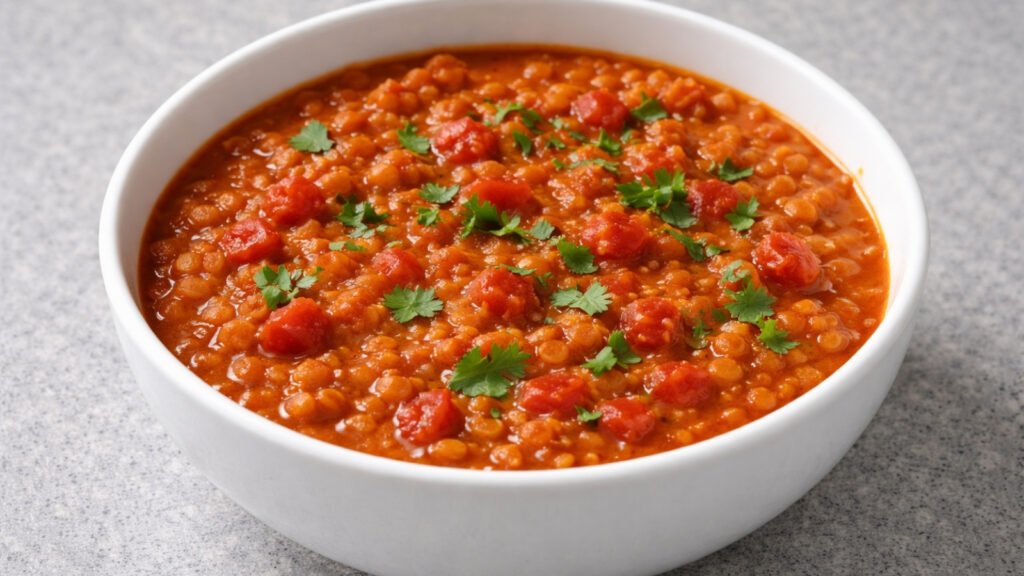
Red Lentil & Tomato Stew (4 portions)
Red lentils
Chopped tomatoes
Onion
Carrot
Frozen veg
Each portion costs less than 90p.
This meal forms the backbone of your plan.
Baked Potato with Beans (2 portions)
Large potato
Half a tin of baked beans
It’s simple, filling, and very budget-friendly in the UK.
Leftover Chicken & Rice (1–2 portions)
Make the chicken last for several meals.
Dinner
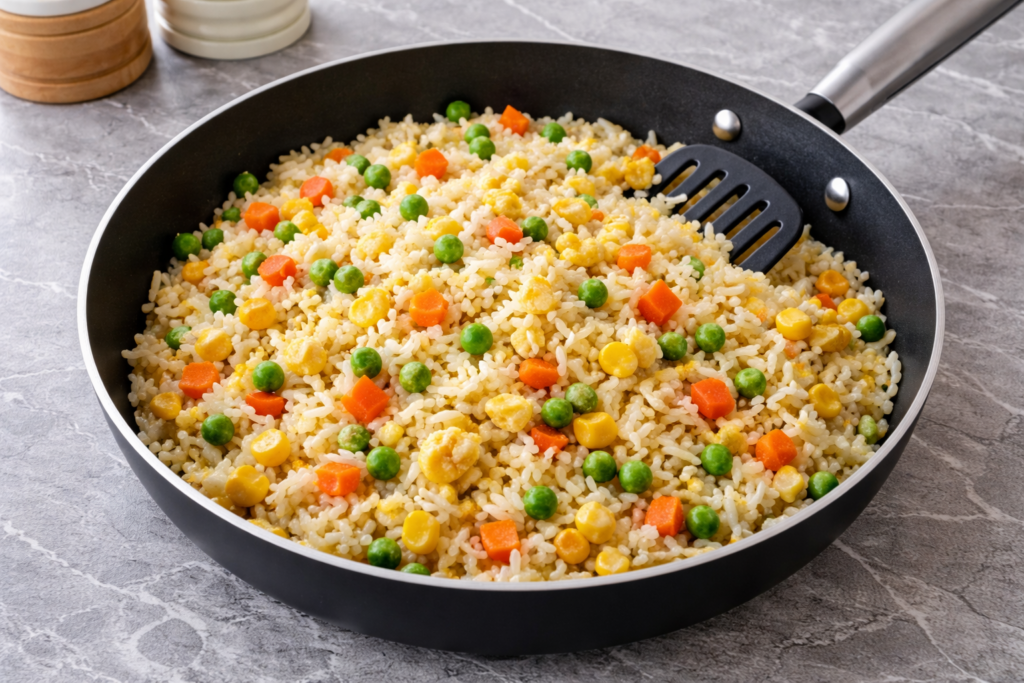
Egg Fried Rice (2 nights)
Rice
Eggs
Frozen veg
About £1 per portion.
Lentil Stew (2–3 nights)
Repeat from lunch batch.
Repeating meals helps save money.
Chicken & Potatoes (1–2 nights)
Roast a small portion of chicken thighs with potatoes and carrots.
Chicken is used sparingly here.
Cooking a few portions at once can make this plan much easier to follow throughout the week.
For a more flexible, real-life version of a meal plan, see what I actually eat in a week.
Example of 7-Day £25 Structure
| Mon | Porridge | Lentil stew | Egg fried rice |
| Tue | Porridge | Lentil stew | Chicken & potatoes |
| Wed | Eggs on toast | Beans & potato | Lentil stew |
| Thu | Porridge | Lentil stew | Egg fried rice |
| Fri | Porridge | Chicken & rice | Lentil stew |
| Sat | Eggs on toast | Beans & potato | Chicken & potatoes |
| Sun | Porridge | Lentil stew | Rice & mixed veg + egg |
Cost Snapshot
| Lentil Stew | £0.85 |
| Egg Fried Rice | £1.00 |
| Beans & Potato | £0.90 |
| Chicken & Potatoes | £1.20 |
The average cost of a main meal is under £1.
That’s how you keep the £25 budget under control.
If you’re setting this up, having a few simple food containers makes storing leftovers easier and helps reduce waste. You can see a few practical options in my guide to the best freezer containers for one person.
Simple tools can also make cooking feel much more manageable. For example, using a slow cooker lets you cook larger meals with minimal effort, which is especially useful when you’re trying to stretch ingredients across several days. If you’re considering one, this guide to the best slow cooker for one person explains what to look for.
What You Give Up at £25
- Less protein variety
- Fewer fresh vegetables
- Less flavour diversity
- You’ll eat more of the same meals.
But you do get:
- Lower spending
- Reduced waste
- Predictability
- Better control over your spending
Will I Be Hungry on £25 a Week?
If portions are correct — no.
This plan includes:
- Carbohydrates at every main meal
- Protein daily (eggs, lentils, chicken)
- Fibre from lentils and vegetables
- Three meals per day
The key mistake people make at £25 is under-eating carbs. Rice and potatoes are not the enemy—they are what make this budget-friendly.
When Should You Choose £25 Instead of £30?
Choose £25 if:
- You need to reduce spending quickly
- You’re in debt repayment mode
- You’re currently overspending
Choose £30 if:
You want slightly less repetition
You want more flexibility
You prefer more protein variety
If you’re able to increase your budget slightly, this £35 meal plan for one person allows for more variety and flexibility.
If you want to compare this with slightly more flexible options, explore all meal plans for one person in the UK
Frequently Asked Questions
Yes, as long as meals focus on low-cost staples like lentils, eggs, rice, and potatoes, and you avoid convenience foods.
Some of the cheapest balanced meals include lentil stew, egg fried rice, baked potatoes with beans, and simple chicken traybakes.
It’s a tight budget, but manageable with good planning. If it feels too restrictive, £30 a week offers more flexibility while staying budget-friendly.
£25 Emergency Reset Plan (7 Days to Stabilise Your Grocery Spending)
If your food bill has risen to £50–£60 a week and you need to cut it down fast, this reset is about stopping financial drift, not making a perfect meal plan.
The goal is to:
- Stop daily spending
- Eliminate impulse buys
- Use what you already have.
- Shop once
- Create structure fast
This is a temporary reset, usually lasting 7 to 14 days.
Step 1: Audit What You Already Have (Before You Shop)
Before spending anything:
- Check freezer
- Check cupboards
- Check fridge
- Write everything down
Many people can cover 2–3 meals from existing food without realising it.
This step alone can reduce your “£25 shop” to £15–£20.
Keeping your fridge and freezer organised makes this step much easier.
Step 2: Set a “No Top-Up Shop” Rule for 7 Days
Top-up shops are often where budgets fail.
For one week:
- One supermarket trip only
- No “just popping in”
- No convenience stops
Changing this habit often saves more money than just switching meals.
If this keeps happening, learning how to quickly lower your grocery bill when you live alone can help you spot spending patterns.
Step 3: Choose 3 Core Dinners (Not 7)
Instead of planning 7 different dinners, choose 3 repeatable ones.
For example:
- A traybake (sausage or chicken + potatoes + veg)
- A bean-based meal (chilli or lentil tomato mix)
- An egg-based meal (fried rice or omelette + potatoes)
Rotate them across the week.
This reset works because repeating meals cuts down on decision fatigue.
Meals like chilli or lentil-based dishes can also be made in a slow cooker if you prefer a more hands-off approach when cooking for one.
Step 4: Simplify Breakfast Automatically
For a week, take breakfast decisions off your plate completely.
Choose one:
- Porridge daily
- Eggs on toast daily
- Yoghurt + banana daily
Having the same breakfast means fewer extra buys.
Step 5: Plan Leftovers Before You Cook
Every time you cook dinner, decide:
- What will tomorrow’s lunch be
- Whether one portion goes in the freezer
This helps you avoid spending more money midweek.
Step 6: Track the Week’s Total — Not Daily Spend
Try not to stress about every single meal.
Instead, ask:
“Did I stay under £25 total?”
One clean week rebuilds confidence.
What Makes This Different From the Standard £25 Plan?
The standard £25 plan focuses on:
- Ingredient limits
- Meal repetition
- Cost per portion
The emergency reset focuses on:
- Behaviour control
- Eliminating extra trips
- Reducing impulse spending
- Regaining financial stability
It’s about stopping leaks, not focusing on variety.
If you’d like to understand how this tighter £25 structure fits into a longer-term routine, start with the complete guide to meal planning for one person in the UK. It explains the full system behind budgeting, repetition, and freezer planning — not just the reset version.
When to Stop the Reset
The reset isn’t supposed to feel restrictive forever.
After one stable week, you can:
- Return to your regular £25 plan.
- Move up to a £30 weekly budget.
- Reintroduce variety gradually
The reset just gives you some breathing room.
While a £25 weekly meal plan is possible with careful planning, some people try to reduce their food spending even further. In those cases, meals often need to be built around very inexpensive ingredients. This guide on eating well on £5 a day in the UK explains how low daily food budgets can work in practice.
Final Thoughts
A £25 meal plan for one person isn’t about cooking exciting new recipes every night.
It’s about:
- Repeating simple ingredients
- Minimising waste
- Lowering spending quickly
- Regaining control
If £30 feels comfortable, stay there.
If you need maximum savings, £25 works — as long as you commit to structure.